



A $12.65 billion nuclear power plant is sitting on Bangladeshi soil, mostly built, with Russia unable to easily collect what it’s owed for it. Moscow’s latest fix: get paid in rupees instead.
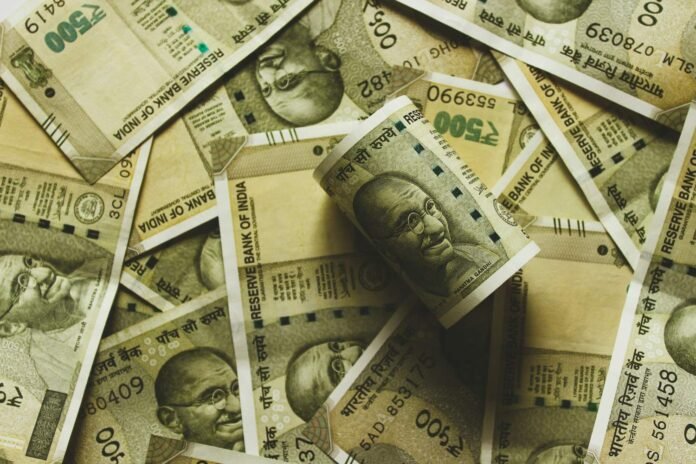
Russia has proposed settling bilateral trade with Bangladesh — including stalled loan repayments for the Rosatom-built Rooppur Nuclear Power Plant — in Indian rupees, according to Bangladeshi officials cited in local media. The idea is expected to be formally discussed at the Bangladesh-Russia Intergovernmental Commission meeting this September or October, with a preparatory meeting to set Dhaka’s negotiating position beforehand.
Why Payments Got Stuck
Western sanctions cut major Russian banks off from the SWIFT payment network, leaving Bangladesh unable to transfer US dollar loan repayments for Rooppur — Russia’s 90%-financed, $12.65 billion project to build the country’s first nuclear plant. As an interim fix, Bangladesh has been depositing installments into a Russian-linked account at Sonali Bank, but those funds have been stuck there, unable to move on to actual Russian banks.
The Yuan Attempt That Didn’t Work
This isn’t the first workaround tried. Back in 2023, Bangladesh and Russia agreed to settle a pending $318 million repayment in Chinese yuan, routed through China’s CIPS payment system as an alternative to SWIFT. That fix didn’t hold — banks in both China and Bangladesh reportedly grew wary of the arrangement over concerns it could expose them to secondary US sanctions.
Why the Rupee, Specifically
India offers something China’s currency route couldn’t: existing infrastructure. India and Russia already settle a meaningful share of their trade — including Russian crude oil purchases — in rupees through Special Rupee Vostro Accounts, and India and Bangladesh separately launched rupee-and-taka bilateral trade settlement back in 2023. That gives the rupee a ready-made bridge between Moscow and Dhaka without needing a direct ruble-to-taka conversion or US dollar clearance at any point.
What’s Actually on the Table
Proposals reportedly include Russian entities holding and using rupee-denominated accounts to purchase goods from India, and — reviving an earlier idea — opening a branch of a major Russian bank, such as Sberbank or VTB, in Dhaka to handle the transactions directly.
What This Signals
Even as a proposal, the move fits a broader pattern: countries under Western sanctions pressure increasingly routing around the dollar and SWIFT using regional currencies. For India, it’s another small step toward positioning the rupee as a usable trade currency beyond its own borders. For Bangladesh, it’s less about ideology and more about practicality — a way to keep a mostly-built nuclear plant’s bills paid without draining its dollar reserves.