



A viral video showed black soot on vegetables and blamed one factory for a town’s toxic air. Weeks later, regulators say that factory is actually within limits — but the town is still the most polluted metro area on Earth.
A June documentary by journalist Sarthak Goswami, filmed in Byrnihat on the Meghalaya-Assam border, pointed squarely at Umiam Distillation Private Limited’s ethanol plant as a major driver of the town’s pollution crisis. The video spread fast, and public anger followed with it.
What the Video Showed
Goswami’s documentary walked through Byrnihat with a local translator, showing thick soot coating leaves, rooftops, and produce, while residents described worsening health and air quality since nearby factories opened. The framing was direct: ethanol production, and this plant specifically, was choking the town.
What the Inspection Found
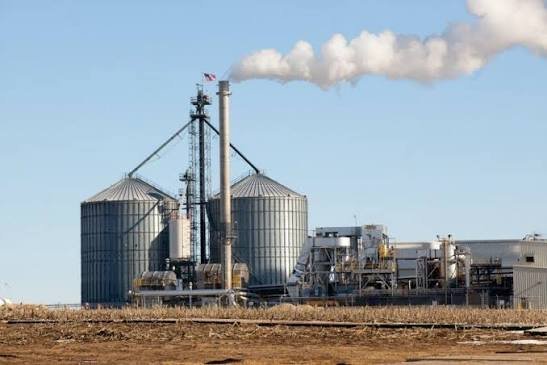
The Meghalaya State Pollution Control Board didn’t wait for a formal complaint. It sent a task force to inspect the plant on June 29, measuring particulate matter, stack velocity, and emissions temperature. The results came back within limits — dust emissions measured 23 mg/Nm³ against a 50 mg/Nm³ ceiling, with nitrogen oxide and sulphur readings similarly under threshold. Inspectors also confirmed the plant’s ₹6.5 crore Electrostatic Precipitator and Zero Liquid Discharge system were functioning, recycling wastewater rather than releasing it. The company separately stated that the white plumes shown in viral clips were steam from the drying process, not smoke.
The Water Usage Claim
A second viral claim argued ethanol production requires 30 to 40 litres of water per litre of ethanol produced. A chemist working at the facility pushed back on that figure, citing 3 to 4 litres per litre as the actual modern rate — a roughly tenfold difference from what circulated online.
Why “Debunked” Isn’t the Full Story
Here’s where the story gets more complicated than a simple myth-versus-fact framing. Byrnihat was independently named the world’s most polluted metropolitan area in IQAir’s 2024 World Air Quality Report, well before this specific controversy. Meghalaya’s own Health Minister, Wailadmiki Shylla, has publicly acknowledged that most of the factories contributing to Byrnihat’s pollution actually sit on the Assam side of the border, not Meghalaya’s — meaning attribution to any single plant, in either direction, is genuinely difficult given the town’s location straddling two states. The pollution board itself noted average particulate levels in the area, while improved, still sit around 96 micrograms per cubic metre. One inspection clearing one plant on measured emissions doesn’t resolve that larger picture.
The Bigger Fuel Policy Backdrop
This local dispute is unfolding against India’s broader E20 push — the government’s program to blend 20% ethanol into petrol nationwide, championed by Union Minister Nitin Gadkari. Proponents point to reduced crude oil imports and new revenue for farmers growing bio-ethanol feedstock. Critics, meanwhile, are using episodes like Byrnihat to raise harder questions about water allocation and localized environmental costs as ethanol production scales up nationally — a debate this one inspection report is unlikely to settle.