



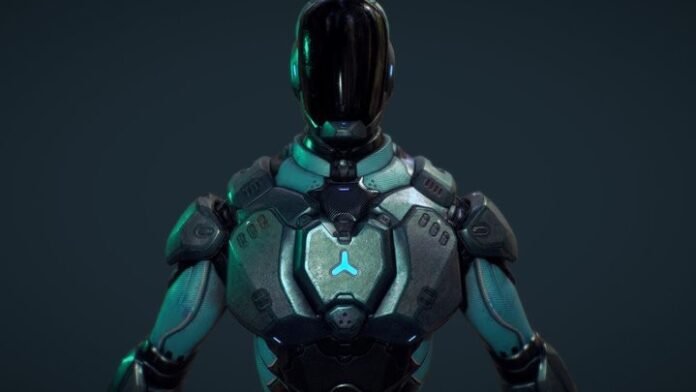
A robot that can silently scan for other robots nearby and hijack them without anyone touching a keyboard sounds like science fiction. US regulators say it’s already happened — and it’s part of why they just slammed the door on new Chinese humanoid robots entering the country.
The Federal Communications Commission announced Tuesday that it’s adding “advanced robotic devices” — humanoids and four-legged “quadruped” robots — along with connected power inverters, to its national security Covered List. The move blocks new models from getting the equipment authorization required to be imported, marketed, or sold in the US.
Why Robots Made the List
Officials pointed to documented vulnerabilities in robots from Chinese firm Unitree already deployed at institutions like MIT and Princeton, including a Bluetooth exploit that can spread from one unit to another on its own. US officials warn that networked robots amount to mobile sensor packages that could map sensitive facilities or be remotely commandeered, while compromised power inverters — the devices linking solar, batteries, and data centers to the grid — could theoretically let a hostile actor disrupt US power supply.
China’s Grip on the Market
The stakes are high because China isn’t a marginal player here — it’s the dominant one. Firms like Unitree, UBTech, and AgiBot control roughly 80-85% of the global humanoid robot market, and Chinese manufacturers have shipped nearly 30 times more units than their US counterparts. FCC Chairman Brendan Carr framed the ban partly as an effort to force reshoring and give US rivals like Tesla and Boston Dynamics room to compete.
How Beijing Responded
China’s embassy condemned the move, urging Washington to “abandon its hegemonic mindset” and warning it would take “all necessary measures” to protect its interests.
What This Doesn’t Do
The ban isn’t retroactive; robots already authorized and in use aren’t affected, and companies can still seek a conditional approval if vetted by the Department of War or Homeland Security. It’s a forward-looking gate on new models, not a recall.